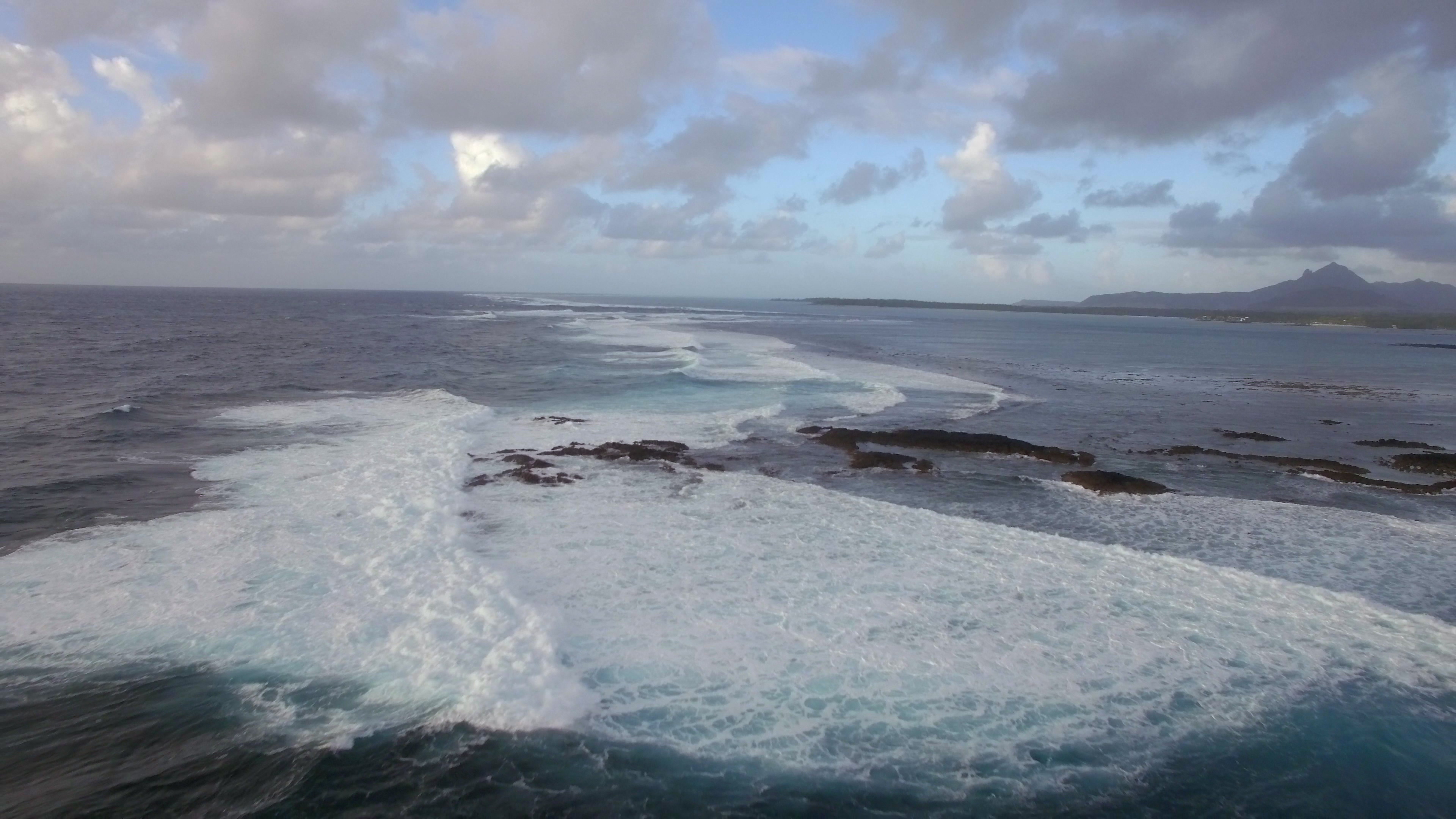
L'océan indien, considéré comme un lieu de biodiversité exceptionnelle, abrite une grande variété d'espèces marines telles que les coraux, les poissons, les tortues et les dauphins. Plusieurs pays riverains tels que l'Afrique du Sud, le Mozambique, Madagascar, les Seychelles, l'Inde et l'Australie sont directement concernés par cette richesse marine. Les ressources naturelles disponibles dans cette région incluent également des minéraux marins, du pétrole et du gaz naturel.
Afin de préserver ces précieux écosystèmes et favoriser leur développement durable, la Commission de l’océan Indien (COI) a été créée en 1982. Elle est une organisation intergouvernementale rassemblant cinq états membres : Madagascar, Maurice, les Comores, les Seychelles et La Réunion (France).
La COI vise avant tout à promouvoir la coopération régionale entre les pays membres et à défendre leurs intérêts communs au niveau international. Ses actions s'articulent autour de plusieurs axes :
Au fil des années, plusieurs actions concrètes ont été mises en œuvre grâce à la coopération intergouvernementale impulsée par la COI. En voici quelques exemples :
Un plan régional d'action pour protéger et valoriser les espaces marins de l'Océan Indien a vu le jour au début des années 2000. Il comprend notamment des dispositifs de suivi et de protection des récifs coralliens, particulièrement fragiles face aux changements climatiques ou aux activités humaines (tourisme, pêche).
En raison de l'étendue de leur territoire et de l'intensification des échanges commerciaux entre les îles et le continent, les états membres de la COI sont confrontés à la prolifération d'espèces envahissantes qui menacent leur biodiversité et leurs ressources naturelles. Un programme régional de prévention et de gestion des espèces exotiques envahissantes a donc été mis en place.
Le secteur touristique est un moteur économique majeur pour les pays membres de la COI, qui sont confrontés à des enjeux sociaux, culturels et environnementaux liés à cette activité. Afin de favoriser un développement du tourisme respectueux des populations locales et des écosystèmes, la COI soutient diverses initiatives visant à promouvoir le "tourisme vert" et les pratiques éco-responsables.
Consciente de l'urgence écologique et climatique qui pèse sur la région de l'Océan Indien, la COI entend renforcer ses actions et ses partenariats dans les années à venir. Plusieurs axes de travail sont envisagés :
Les défis sont nombreux pour cette organisation intergouvernementale, qui a su démontrer sa capacité à fédérer ses membres autour d'une vision commune et de projets ambitieux. La préservation et la valorisation de l'Océan Indien ne pourront se faire sans une coopération efficace entre les états riverains et sans la prise de conscience globale de l'importance de cet écosystème unique et précieux pour notre planète.